




 Product Details
 Color Details
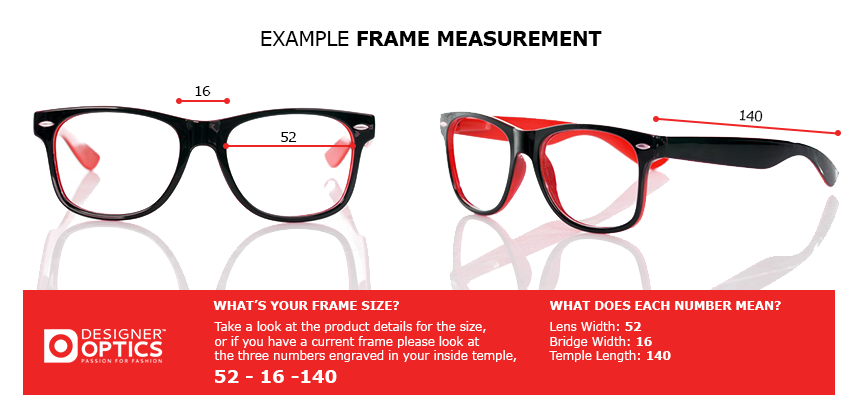
 Size Details
Frequently Asked Questions
What's the difference between the 58mm and 62mm Ray-Ban Aviator 3025?
Can I get prescription lenses in Ray-Ban Aviator 3025 frames?
What is the Ray-Ban G-15 lens and how does it compare to polarized lenses?
Are Ray-Ban Aviator 3025 sunglasses good for driving?
What face shapes do Ray-Ban Aviator 3025 sunglasses suit best?
Are Ray-Ban Aviator 3025 sunglasses unisex?
Compare With Similar Frames
How the Ray-Ban Aviator 3025 Sunglasses stacks up against the closest alternatives we carry.


- Sleek, lightweight metal construction that's barely noticeable on your face
- Teardrop pilot shape provides maximum coverage from overhead sun and peripheral glare
- Adjustable nose pads for a customized, secure fit

- Larger teardrop lenses provide more sun coverage than round frames
- Pilot shape is more universally flattering across face shapes, especially angular faces
- Double bridge adds structural interest and reinforces the military heritage

- Pilot shape is sleeker and more minimalist than the bold browline design
- Larger lens coverage provides better protection from sun and glare
- More versatile across casual and formal settings due to understated design
Read the full comparison
Ray-Ban Aviator 3025 vs. New Wayfarer 2132: Metal vs. Acetate Icons
Choosing between the Ray-Ban Aviator 3025 and the New Wayfarer 2132 is one of the most common dilemmas for Ray-Ban buyers—and for good reason. These are the brand's two most iconic styles, each representing a fundamentally different approach to sunglasses design.
The Aviator 3025 is all about sleek minimalism and military heritage. Its lightweight gold metal frame and teardrop pilot lenses were designed in 1937 for U.S. Air Force pilots, and that functional DNA is still evident today. The thin metal construction makes these sunglasses incredibly light on your face, while adjustable nose pads let you fine-tune the fit. The large teardrop lenses provide excellent coverage from overhead sun and peripheral glare, making them ideal for driving and outdoor activities. The look is refined, versatile, and works across both casual and dressier settings.
The New Wayfarer 2132, introduced in the 1950s, takes the opposite approach. Its bold acetate frame and trapezoidal shape make a louder statement. The thicker frame feels more substantial and can take more of a beating in daily use—you can toss them in a bag without worrying about bending metal. The Wayfarer's strong upper line and geometric edges add definition to softer face shapes, and the style has a distinctly retro, streetwear-friendly vibe that's been embraced by musicians and trendsetters for decades.
So which should you choose? If you prefer a lightweight, classic look with maximum sun coverage and a military heritage, the Aviator 3025 is your frame. If you want a bold, structured style that makes more of a statement and can handle everyday wear and tear, go with the New Wayfarer 2132. Both are prescription-ready, both offer 100% UV protection, and both are Ray-Ban classics—you really can't go wrong.
Ray-Ban Aviator 3025 vs. Round Metal 3447: Pilot vs. Vintage
The Ray-Ban Round Metal 3447 shares the Aviator 3025's lightweight metal construction, adjustable nose pads, and refined aesthetic, but the lens shape tells a completely different story. While the Aviator's teardrop pilot lenses are rooted in military function, the Round Metal's circular lenses evoke a vintage, intellectual vibe—think John Lennon or retro academia.
The Aviator 3025 offers more sun coverage thanks to its larger teardrop lenses, which extend further down and to the sides. This makes it the better choice for driving, outdoor sports, or any situation where you need maximum protection from glare. The pilot shape is also more universally flattering, especially for angular or square faces, as the soft curves balance strong jawlines.
The Round Metal 3447, on the other hand, is more distinctive and fashion-forward. The circular lenses are smaller and sit higher on the face, creating a vintage look that stands out in a crowd. If you're drawn to retro style and want something that feels more unique than the ubiquitous Aviator, the Round Metal is a strong choice.
Both frames are lightweight, comfortable, and prescription-ready. The decision comes down to coverage and style: choose the Aviator 3025 for maximum sun protection and a classic pilot look, or the Round Metal 3447 for a vintage, intellectual aesthetic.
At a Glance
Ray-Ban New Wayfarer 2132 Sunglasses
Pros:
- Sleek, lightweight metal construction that's barely noticeable on your face
- Teardrop pilot shape provides maximum coverage from overhead sun and peripheral glare
- Adjustable nose pads for a customized, secure fit
- Timeless military heritage dating back to 1937—the original aviator
- Excellent for driving and outdoor activities due to large lens coverage
Cons:
- Metal frames are more delicate than acetate and can bend if not stored carefully
- The thin frame may feel less substantial than bold acetate styles
- Teardrop shape may rest on cheeks for some face shapes (though adjustable nose pads help)
Ray-Ban Round Metal 3447 Sunglasses
Pros:
- Larger teardrop lenses provide more sun coverage than round frames
- Pilot shape is more universally flattering across face shapes, especially angular faces
- Double bridge adds structural interest and reinforces the military heritage
- Better for driving due to wider field of view and overhead protection
Cons:
- Less distinctive than the vintage round shape for those seeking a retro look
- Larger lenses may feel oversized on very small faces (though 58mm size helps)
Ray-Ban Clubmaster Metal 3716 Sunglasses
Pros:
- Pilot shape is sleeker and more minimalist than the bold browline design
- Larger lens coverage provides better protection from sun and glare
- More versatile across casual and formal settings due to understated design
- Lighter weight due to simpler frame construction
Cons:
- Less distinctive than the Clubmaster's signature browline for those wanting a statement piece
- Aviator shape is more common, so less unique in a crowd